
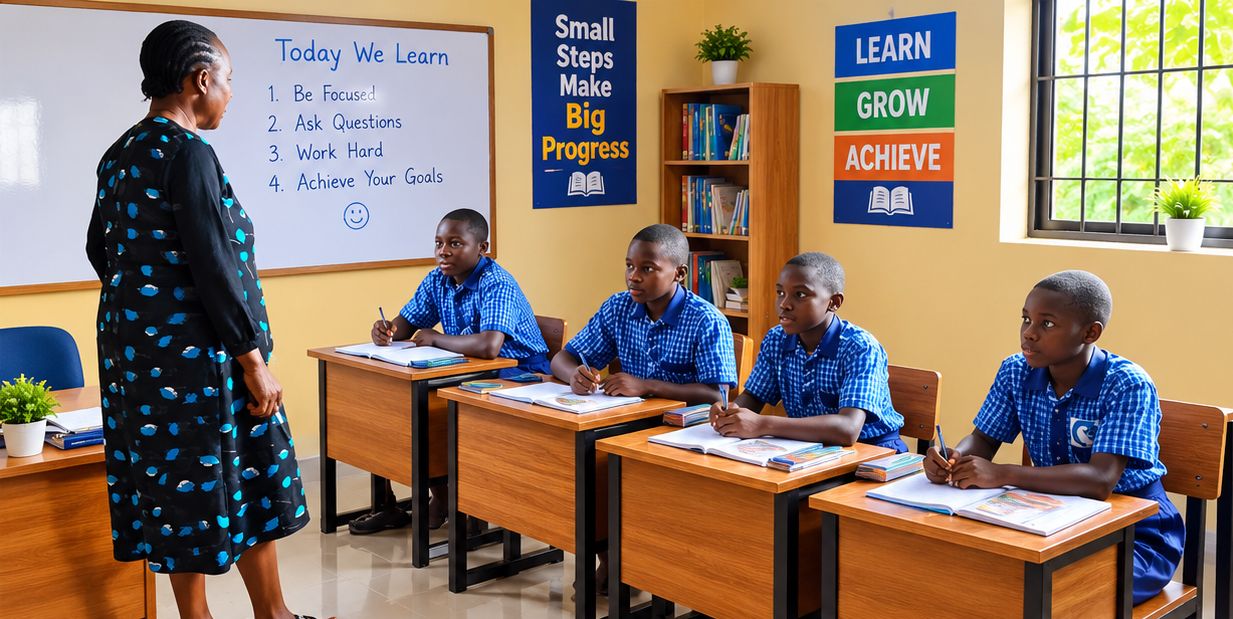
Roll of Parents In Children Upbringing
Parents play a vital role in shaping their children's character, behaviour, education, and future. They are a child's first teachers and role models. Through love, discipline, moral instruction, education, protection, and proper guidance, parents help their children develop into responsible and respectful adults. Good parenting requires patience, understanding, quality time, and leading by example. The future of every child begins with the care, values, and guidance they receive at home.
THE ROLE OF PARENTS IN CHILD UPBRINGING
INTRODUCTION
Children are a precious gift, and their upbringing is one of the most important responsibilities entrusted to parents. The home is a child's first school, and parents are their first teachers. Before children enter a classroom, they begin learning from their parents through observation, communication, and everyday experiences.
The way parents raise their children has a significant influence on their behaviour, character, education, emotional development, and future success. Therefore, every parent must understand that raising a child involves more than providing food, clothing, and shelter. It also requires love, discipline, moral instruction, supervision, and proper guidance.
1. PROVIDING LOVE AND EMOTIONAL SUPPORT
One of the most important roles of parents is to provide their children with love, care, and emotional security. Every child needs to feel accepted, valued, and protected by their parents.
When parents show genuine love and affection, children are more likely to develop self-confidence, trust, and a positive attitude towards life. Parents should create an environment where children feel comfortable expressing their feelings, sharing their problems, and asking questions without unnecessary fear.
However, love should not mean allowing children to do whatever they want. True parental love involves correcting children when necessary and helping them understand the difference between right and wrong.
2. TEACHING GOOD MORAL VALUES
Parents play a vital role in shaping the moral character of their children. Values such as honesty, respect, kindness, patience, responsibility, humility, and obedience are best introduced and reinforced at home.
Children often imitate what they see their parents do. Therefore, parents must lead by example. A parent who teaches honesty but regularly tells lies may find it difficult to convince a child to be truthful.
Parents should encourage their children to respect elders, treat others fairly, speak politely, and take responsibility for their actions.
Remember: Children may not always follow what their parents say, but they are likely to imitate what their parents do.
3. PROVIDING PROPER DISCIPLINE AND CORRECTION
Discipline is an essential part of child upbringing. It helps children develop self-control, respect boundaries, understand consequences, and become responsible individuals.
Parents should establish clear rules and expectations for their children. When children make mistakes, parents should correct them in ways that teach rather than humiliate them.
Effective discipline includes explaining the consequences of wrong behaviour, setting reasonable boundaries, rewarding positive conduct, and applying fair and consistent consequences.
Harsh punishment, constant shouting, insults, and physical abuse can damage a child's emotional well-being and may encourage fear rather than genuine understanding.
The goal of discipline should not be to make children afraid of their parents but to help them develop good character and make responsible decisions.
4. SUPPORTING CHILDREN'S EDUCATION
Education is a shared responsibility between parents and teachers, but parental involvement plays a major role in a child's academic development.
Parents should encourage their children to attend school regularly, complete their assignments, read their books, and take their studies seriously.
They should also monitor academic progress, communicate with teachers, attend school meetings, and provide a suitable environment for learning at home.
When children experience academic difficulties, parents should offer encouragement and seek appropriate support rather than comparing them negatively with other children.
Parents must understand that every child has unique abilities, interests, and learning needs. With patience and proper guidance, children can improve academically and discover their talents.
5. PROTECTING CHILDREN FROM NEGATIVE INFLUENCES
Children are exposed to various influences from their friends, television, the internet, social media, and their surrounding environment. Some of these influences may negatively affect their behaviour, values, and development.
Parents have a responsibility to supervise their children's activities and help them distinguish between positive and negative influences.
This includes monitoring age-appropriate internet use, knowing their children's friends, discussing personal safety, and teaching them how to respond to peer pressure.
Rather than relying only on restrictions, parents should have open and honest conversations with their children. When children understand the reasons behind family rules, they are better equipped to make responsible decisions, even when their parents are not present.
6. TEACHING RESPONSIBILITY AND INDEPENDENCE
Parents should gradually teach their children how to become responsible and independent.
Age-appropriate responsibilities, such as arranging their belongings, keeping their rooms tidy, helping with household chores, managing their time, and caring for personal items, can help children develop discipline and practical life skills.
Parents should also allow children to make suitable decisions and learn from their mistakes under proper supervision.
Doing everything for children may prevent them from developing the confidence and abilities they need to face life's challenges.
The purpose of parenting is not to make children permanently dependent on their parents but to prepare them to become responsible adults.
7. PROVIDING SPIRITUAL AND RELIGIOUS GUIDANCE
For families who practise a religion, spiritual guidance can be an important part of child upbringing.
Parents can help their children understand faith, prayer, compassion, forgiveness, integrity, and service to others. In Christian homes, parents may encourage Bible reading, prayer, church attendance, and the practical application of biblical teachings.
Proverbs 22:6 teaches:
"Train up a child in the way he should go: and when he is old, he will not depart from it." — Proverbs 22:6 (KJV)
This verse highlights the importance of intentional instruction and guidance during childhood.
Parents should also demonstrate the values they teach by showing love, honesty, patience, and respect in their daily lives.
8. GIVING CHILDREN QUALITY TIME AND ATTENTION
Providing money and material possessions is not enough to raise a well-adjusted child. Children also need their parents' time, attention, and involvement.
Parents should make time to talk with their children, listen to their concerns, participate in their activities, and celebrate their achievements.
Even busy parents can create meaningful family moments through shared meals, conversations, storytelling, reading, and simple recreational activities.
When children feel ignored or neglected, they may seek attention and acceptance from unhealthy sources.
Quality time helps strengthen family relationships and gives parents opportunities to understand their children's changing needs.
9. TEACHING RESPECT AND GOOD COMMUNICATION
Respect is a fundamental value that children should learn at home. Parents should teach their children to respect themselves, their elders, their teachers, their peers, and other people in society.
However, respect should be mutual. Parents who listen to their children, communicate calmly, and acknowledge their feelings help create an atmosphere of trust.
Children should be taught how to express disagreement politely, resolve conflicts peacefully, and communicate without insults or aggression.
Good communication also helps parents identify problems early and provide appropriate guidance before those problems become more serious.
10. BEING A POSITIVE ROLE MODEL
Parents are among the most influential role models in a child's life. Their attitudes, habits, decisions, and relationships can shape how children understand the world.
Children observe how their parents handle anger, manage money, resolve disagreements, treat other people, and respond to difficulties.
Parents who demonstrate patience, hard work, honesty, responsibility, and respect provide practical examples for their children to follow.
No parent is perfect, and mistakes are inevitable. However, parents can teach valuable lessons by acknowledging their mistakes, apologising when necessary, and making efforts to improve.
A good parent does not only tell a child how to live; a good parent demonstrates the values that make life meaningful.
11. MEETING CHILDREN'S PHYSICAL AND HEALTH NEEDS
Proper child upbringing also involves ensuring that children's basic physical needs are met.
Parents should provide nutritious meals, suitable clothing, safe shelter, proper hygiene, adequate rest, and appropriate healthcare.
They should also pay attention to their children's physical and emotional well-being and seek professional help when necessary.
A healthy environment supports children's growth, concentration, learning, and general development.
Parents should remember that neglecting a child's basic needs can affect their ability to thrive at home, at school, and in society.
12. WORKING TOGETHER WITH TEACHERS AND THE COMMUNITY
Parents cannot raise children successfully in isolation. Teachers, caregivers, religious leaders, and other responsible members of the community can contribute positively to children's development.
Parents should maintain healthy relationships with their children's schools and work with teachers to address academic, behavioural, and social challenges.
They should also choose their children's social environments carefully and encourage participation in positive activities that develop their talents, confidence, and sense of responsibility.
When parents, teachers, and communities work together, children receive more consistent guidance and support.
THE CONSEQUENCES OF POOR PARENTING
When parents neglect their responsibilities, children may experience difficulties that affect their development and future relationships.
Poor parenting can contribute to:
1. Lack of discipline and self-control.
2. Poor academic performance.
3. Low self-esteem and emotional insecurity.
4. Disrespectful or aggressive behaviour.
5. Susceptibility to negative peer pressure.
6. Irresponsibility and poor decision-making.
7. Difficulty building healthy relationships.
However, these outcomes are not inevitable. Children can improve and thrive when they receive appropriate support, positive guidance, and opportunities to learn.
Parents who recognise shortcomings in their parenting can take practical steps to improve their relationships with their children.
PRACTICAL TIPS FOR EFFECTIVE PARENTING
Every parent can take simple but meaningful steps towards raising responsible and well-adjusted children.
1. Lead by example: Practise the values you want your children to develop.
2. Listen attentively: Give your children opportunities to express their thoughts and feelings.
3. Set clear boundaries: Establish reasonable rules and apply them consistently.
4. Encourage learning: Take an active interest in your children's education and personal development.
5. Show unconditional love: Let your children know that they are loved, even when their behaviour needs correction.
6. Monitor their activities: Be aware of their friendships, interests, and online experiences.
7. Praise positive behaviour: Recognise effort, honesty, kindness, and responsible choices.
8. Avoid unhealthy comparisons: Appreciate each child's individual abilities and progress.
9. Spend quality time together: Make family interaction a regular priority.
10. Keep learning: Seek reliable parenting advice and be willing to improve your approach.
CONCLUSION
The role of parents in child upbringing cannot be overemphasised. Parents are responsible for providing the love, care, discipline, education, moral instruction, and guidance that help children develop into responsible members of society.
Successful parenting is not measured solely by the wealth parents accumulate for their children or the schools they attend. It is also reflected in the character they develop, the values they uphold, the decisions they make, and the way they treat other people.
Every child deserves an environment where they can learn, grow, feel safe, discover their abilities, and prepare for the future.
Dear parents, remember that the children you raise today are the leaders, professionals, parents, and citizens of tomorrow. Invest in their character, protect their well-being, support their education, and guide them with love and wisdom. The future of society begins in the home.
FINAL MESSAGE
Good parenting is not about raising perfect children; it is about guiding children with love, discipline, patience, and understanding so that they can become the best version of themselves.
What are your thoughts on the role of parents in child upbringing? Share your experiences and suggestions in the comments section. Together, we can build stronger families and a better future for our children.